The Future is electric
Electric mobility funds have fared poorly since the middle of last year mainly on concerns about China flooding the market with cheap EVs, with some ETFs declining by as much as 30%-35% since July.
This looks overdone, partly the result of the pendulum in investor sentiment between euphoria and pessimism.
The future of the world remains squarely electric, with the electric mobility megatrend here to stay, supported by environmental concerns, government incentives, technological progress (making EVs more affordable and better performing), infrastructure development and favourable consumer preferences.
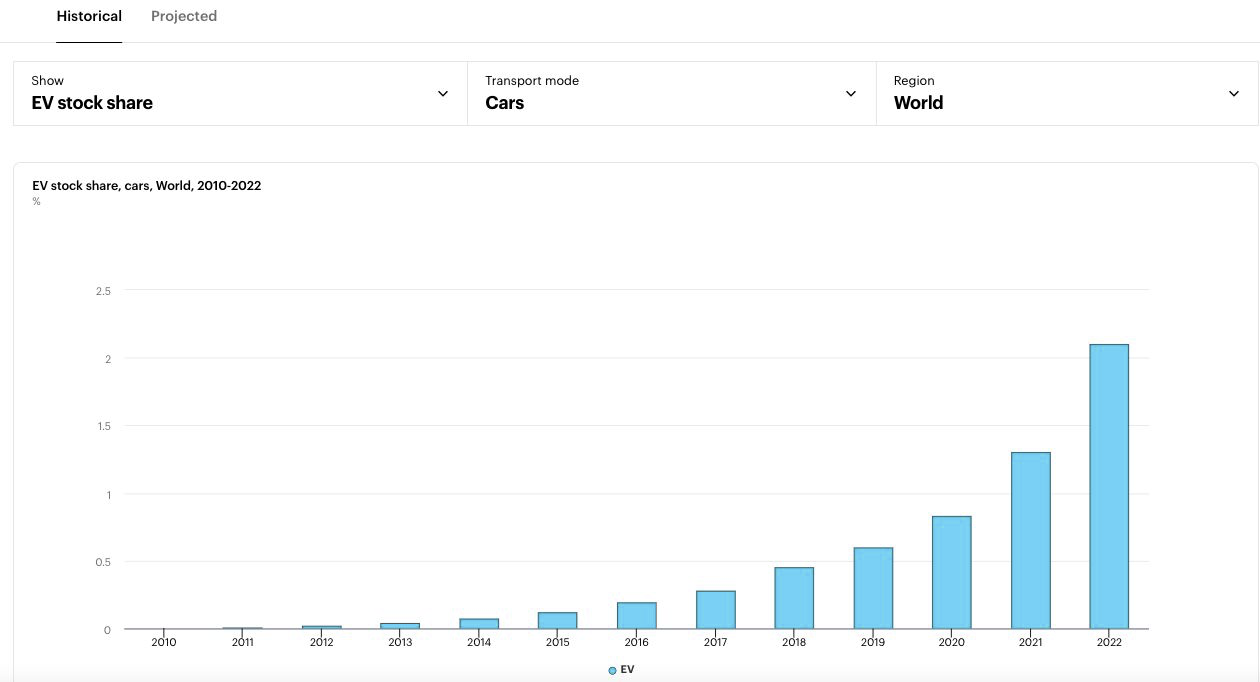
Global market-sales share for electric vehicles is growing fast but remains at an average of ~15%, while global market-penetration is still on average ~2.0% (source: IEA).
In other words, e-mobility has not even embarked on the fast-growth and fast-adoption stage of the S-shaped penetration curve but some investors have seemingly already given up.
Paraphrasing MIT’s Malone, every technology breakthrough takes twice long as expected but half as long as the industry and the market are prepared for. And what the market is not yet prepared for and therefore not yet pricing in e-mobility stocks is the under-capacity scenario we still expect for the battery space, which should give key battery players stronger pricing power, better margins/earnings and higher valuations.
Yet not all that shines is gold….and not all e-mobility funds are equally attractive or equally effective in generating returns while protecting capital across cycles.
Our Electric Mobility Value Niche is a global equity fund that offers exposure to the EV battery ecosystem, investing in electric mobility players not recognized as such by the market and thus with potential for significant re-rating. The battery ecosystem represents 75% of the portfolio.
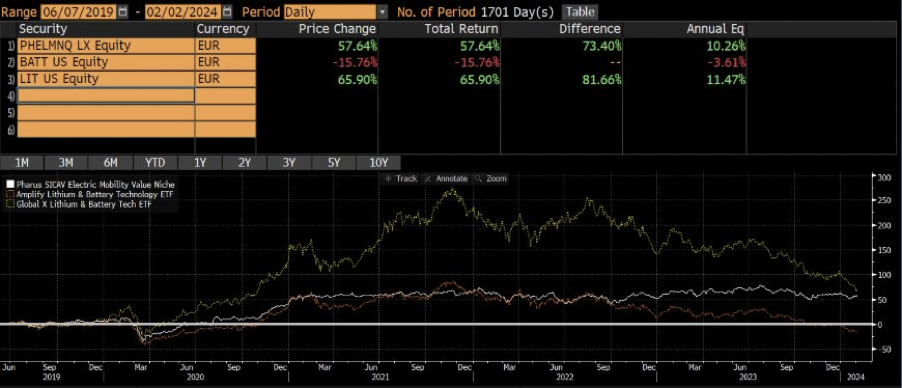
The chart below shows performance since inception for Niche AM’s E-mobility Value Niche fund vs ETF peers BATT and LIT. Yes, the latter has generated slightly higher returns over the period, but it has achieved so with double the volatility and a drawdown 3.5x as high.
At Niche AM we believe investment is as much about generating returns as about controlling risk, which we do by:
1. adopting a deep-value approach, as the price paid for the asset is the main determinant of its downside risk – this approach eliminates the risk of investing into a bubble
2. avoiding leverage at companies held in the portfolio
3. building a highly diversified portfolio
4. implementing an ESG-responsible approach, which reduces regulatory and political risk.
Within this framework market-timing, always challenging if not impossible, becomes less warranted.
For details on our EMVN fund see here.
This is a marketing communication for institutional investors. Please refer to Fund Prospectuses & KIDs before making any investment decision.
For any questions email us on: info@nicheam.com
Follow us on LinkedIn: www.linkedin.com/company/niche-am
Back Read More






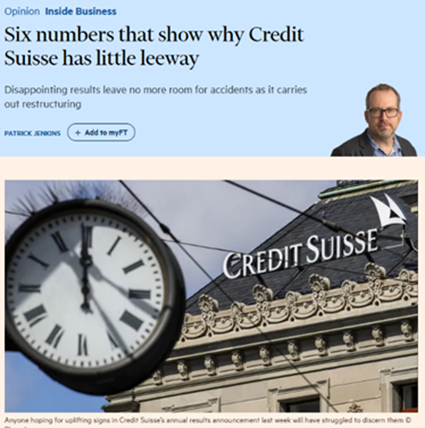 This even though the bank was apparently a solid global financial institution. However, family offices, funds and rich people who read daily negative press about the institution where they store their cash, may have been asking themselves questions. A frontal press attack, devoid of substance, occurred in October, right during the company’s black period. This led to an initial bank run that culminated in a capital increase that, on paper, was not needed. Arab investors increased their positions, and the bank decided to accelerate its transition to a low-risk reality.

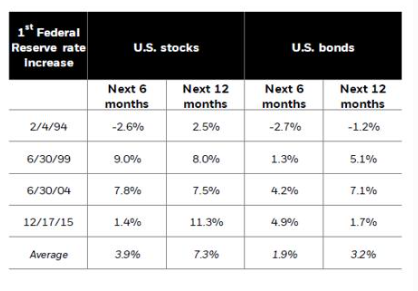 Why? 1) The housing market, residential and commercial, is not in a bubble. The imbalance between supply and demand is substantial as a result of years of under-investment linked to the scarcity of bank financing in this sector. The end of the pandemic will lead to a recovery in demand for office space and confirm the home as the place to work. Inflation is also another support for this asset class. 2) Consumption accounts for about ¾ of GDP in the US. Today’s consumption dynamics are negative, as is natural after the market crash and recession fears. However, the labour market is extremely strong and this is the backbone of consumption. The relocation of many manufacturing industries will maintain full employment and, along with this, a positive wage dynamic in real terms. Bonds finally provide attractive yields for savers. The stock market has corrected from the tech bubble and the traditional side is extremely attractive and will gradually appreciate again in the not too distant future. This tells us that consumption will be robust in 2023, recovering from 2022. 3) Corporate profits will nominally benefit from inflation, absorbing any inevitable pressures during a rate adjustment phase. In addition, many industries, such as finance, armaments, fossil fuels, and everything related to infrastructure and energy transition, will grow in the next 12 to 24 months. 4) There has been a shift in the US from an attitude of complacency towards inflation to one of strong fear. So much so that by now there is no longer talk of recession but of stagflation, something not seen for 40 years, in completely different environments (Volcker at the FED and Ronald Reagan in the White House). Today, however, inflation is coming down and gradually in the coming weeks and months we will begin to see it in the numbers. The fall in commodities prices these days and the gradual unwinding of the supply chain will contribute to this. The overstocking created precisely to address these problems in the supply chain will lead to substantial discount campaigns. The rate hike cycle will be powerful but entirely manageable, and we believe that the Fed’s current expectations of 3.8% for 2023 will not be revised upwards but may even be tweaked slightly downwards in the not-too-distant future (3.4% at the end of 2022).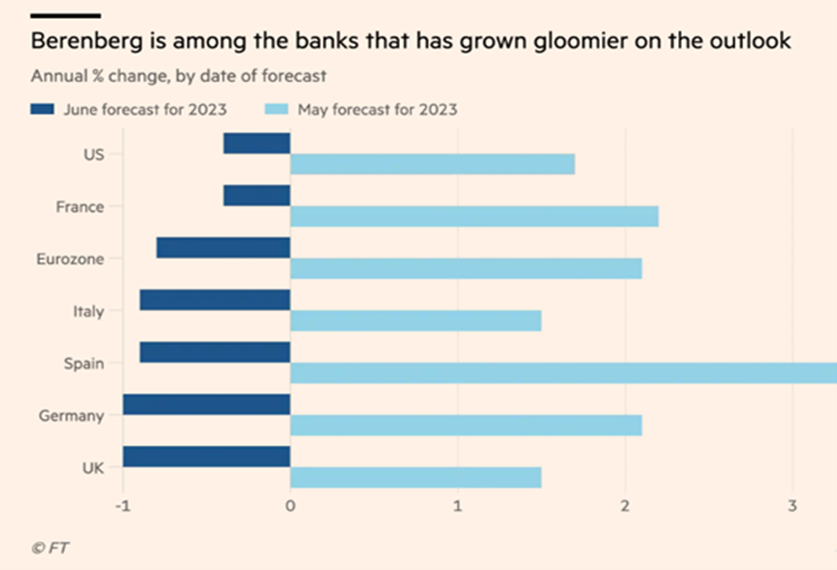
 Banks range from-35%(JPM, Bank of America, Wells Fargo) to over -40% (Citigroup). Insurance companies from -20% to -40% (Metlife -17%, Prudential -25%, Lincoln -39%). Transportation companies, those most anticipating a recession, from -30% to -40% (Fedex -29%, UPS -27%, DPW -43%), retailers from -30% to -50% (Home Depot -35%, Kohls -38%, Macy’s -47%, Target -48%), cement and building materials from -30% to -60% (Martin Marietta -31%, Vulcan Materials -31%, CRH -34%, Tutor Perini -58%), finally, automotive by more than 50% (GM -53%, Ford -56%). All the sectors mentioned are not comparable with the same sectors in 2007 or even 2020. Today they are much stronger and have better medium-term prospects. In addition, the consumer is less indebted and scared.